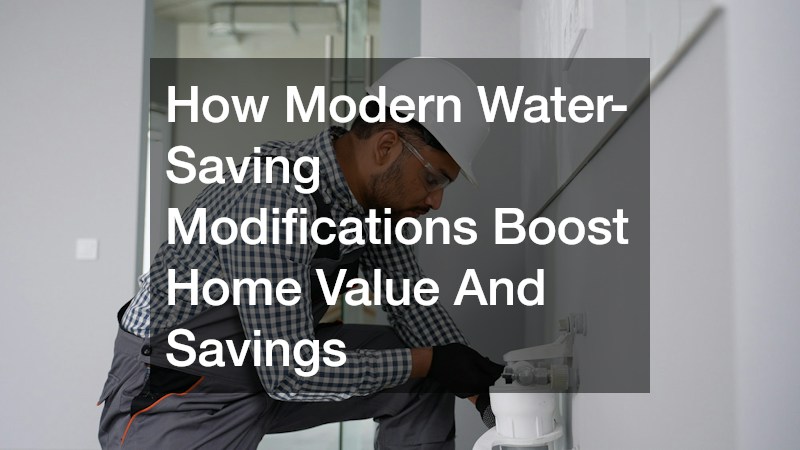
Water is one of the most vital resources in any household, yet millions of gallons are wasted every year through outdated fixtures, unnoticed underground leaks, and inefficient outdoor management systems. As utility rates continue to rise and environmental conservation becomes an increasingly urgent priority, upgrading home infrastructure to maximize water efficiency has shifted from a nice-to-have luxury to a practical, money-saving necessity. Modern engineering allows homeowners to maintain the highest levels of performance, safety, and comfort while significantly reducing daily resource consumption.
Addressing household water waste requires a systematic approach that looks far beyond simple daily habits like turning off the tap while brushing teeth. By evaluating the mechanical pathways, high-volume fixtures, water heating equipment, and exterior landscaping across a property, you can identify key areas where modern technology can eliminate waste at the source. Implementing targeted, high-efficiency upgrades protects local aquifers, reduces strain on municipal sewage networks, and delivers immediate, recurring savings on monthly utility bills.
This comprehensive guide explores the most effective water-saving modifications available for residential properties today. From interior sanitation modernizations to advanced outdoor irrigation technology, these actionable strategies will help you transform your home into a low-waste, highly efficient living space.
Modernizing Bathroom Fixtures for Maximum Water Savings
The bathroom represents the highest concentration of indoor water usage in the average residence, accounting for over 50 percent of total indoor water consumption. Legacy toilets, high-volume showerheads, and outdated vanity faucets continually flush dollars down the drain during daily morning routines, bathing, and household cleanup.
Upgrading to Ultra-Low-Flow Toilets and Aerated Faucets
Standard toilets manufactured before the mid-1990s use anywhere from 3.5 to 7 gallons per flush (GPF), representing a massive point of water waste in busy households. Replacing these legacy units with high-efficiency alternatives provides an immediate and permanent reduction in overall water consumption.
-
Dual-Flush and WaterSense Toilets: Modern WaterSense-certified dual-flush toilets utilize advanced trapway engineering and direct jet flushing to clear waste effectively using as little as 0.8 gallons for liquid waste and 1.28 gallons for solid waste. This single structural upgrade alone can save a family of four upwards of 13,000 gallons of clean water every single year.
-
Aerated Faucet Remodels: Standard vanity faucets flow at roughly 2.2 gallons per minute (GPM). Incorporating low-flow aerators during a comprehensive bathroom remodeling project reduces flow rates down to 1.2 GPM or less. These aerators mix microscopic air bubbles into the water stream, maintaining strong tactile pressure while cutting water output by nearly half.
-
Pressure-Compensating Showerheads: High-efficiency showerheads utilize internal flow regulators to maintain a steady, luxurious spray pattern at 1.5 to 1.75 GPM, compared to older models that dump 2.5 to 5 GPM down the drain.
Enlisting Licensed Specialists for Precision Fixture Integration
While minor surface swaps appear straightforward, proper fixture integration requires careful calibration of home water pressure, drainage pitch, and supply line connections.
-
Preventing Pressure Spikes and Seal Degradation: Excessively high municipal water pressure can rupture internal valve seals on delicate low-flow fixtures, leading to silent, continuous leaks behind walls. Working alongside experienced local plumbers ensures that your home’s main pressure-reducing valve is properly calibrated to between 40 and 60 PSI, protecting your new fixtures from premature mechanical wear and pressure fatigue.
-
Optimizing Drainage Pitch: Low-flow toilets move less water per flush, requiring precise waste-line slope to transport solids efficiently to the municipal sewer main. Skilled technicians verify pipe pitch during installation, preventing stubborn blockages and eliminating the need for repeated flushing cycles.
Optimizing Water Heating and Pipe Infrastructure
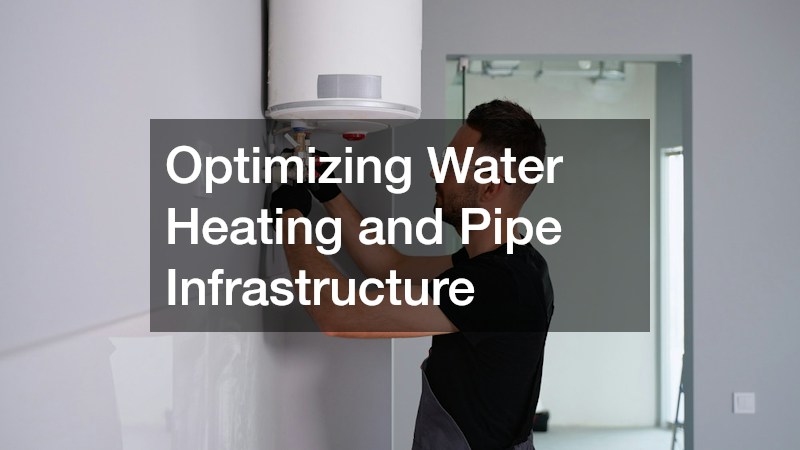
Water heating accounts for approximately 18 percent of a home’s total energy consumption and a substantial portion of wasted tap water. Traditional tank-style heaters constantly reheat standing water while forcing occupants to run the faucet for minutes while waiting for hot water to travel from the basement to upper-floor bathrooms.
Transitioning to On-Demand Water Heating Technology
Conventional 40- to 50-gallon water heaters suffer from standby thermal loss and require significant purge time to deliver hot water to distant fixtures throughout the house. On-demand water heating technology revolutionizes this process by heating water only when a tap is actively turned on.
-
Eliminating Standby Loss and Purge Waste: Tankless systems heat incoming cold water instantly as it flows through high-efficiency heat exchangers. Because hot water is generated continuously on demand, homeowners no longer waste gallons of cold tap water down the drain while waiting for shower water to reach a comfortable temperature.
-
Space Optimization and Extended Lifespan: A tankless water heater installation frees up valuable floor space by replacing bulky storage tanks with compact, wall-mounted units. Additionally, because tankless systems do not store standing water, they are far less prone to internal rust accumulation, lasting up to 20 years compared to the 10-year average lifespan of traditional tank units.
Hiring Certified Professionals for System Sizing and Gas/Electric Retrofits
Installing high-efficiency water heating equipment involves complex electrical wiring, precise gas line sizing, and strict combustion venting compliance.
-
Accurate Flow Rate and BTU Calculations: Tankless systems must be sized based on peak simultaneous hot water demand rather than static storage capacity. Engaging qualified plumbing contractors guarantees that your system is selected based on your regional incoming groundwater temperatures and maximum household fixture usage during peak morning hours.
-
Ensuring Code Compliance and Safety: Upgrading to high-capacity tankless units often requires expanding gas supply lines or upgrading electrical breaker panels. Certified professionals manage these structural retrofits safely, ensuring proper direct-vent installation to exhaust combustion gases safely outside the home structure.
Maintaining Clean Drains and Preventing Underground Leakage
Unnoticed leaks in underground drainage lines and main sewer pipes silently waste thousands of gallons of water annually. When drainage systems suffer from structural blockages, root intrusion, or pipe deterioration, backpressure can cause hidden leakage beneath home foundations and surrounding lawns.
Preventing Water Waste Caused by Sewer Line Blockages and Backups
Tree roots seeking moisture frequently penetrate older clay or cast-iron sewer pipes through microscopic joint seams. Once inside, root balls capture grease, hair, and solid debris, creating severe pipe restrictions and structural backpressure.
-
Advanced Hydro-Jetting and Cleansing: Utilizing high-pressure water scouring from a professional drain cleaning company removes built-up grease, mineral scale, and intrusive tree roots without damaging underlying pipe structures. Clearing these line obstructions restores optimal flow dynamics and relieves destructive backpressure on home plumbing lines.
-
Digital Video Camera Inspections: High-definition sewer cameras are threaded directly into main cleanouts to visually inspect the interior condition of underground pipes. This non-invasive diagnostic technology identifies cracked joints, sagging pipe sections, and hidden leaks, allowing for targeted repairs before catastrophic line collapses occur.
Utilizing Routine Maintenance to Avoid Emergency Pipe Repairs
Proactive drain maintenance stops minor clogs from turning into major structural pipe failures that contaminate surrounding soil and waste clean water.
-
Routine Line Scouring Over Harsh Chemicals: Chemical drain cleaners rely on corrosive caustic agents that generate heat, which can warp PVC joints and corrode legacy metal pipes over time. Scheduling annual maintenance with experienced local drain cleaners keeps branch lines clear using physical augers and eco-friendly enzymatic treatments that protect pipe walls.
-
Installing Drain Protection and Strainers: Placing heavy-duty mesh strainers over kitchen sink and bathroom shower drains captures hair, soap scum, and food particles before they enter the branch lines, maintaining consistent drainage flow throughout the property.
Revolutionizing Outdoor Irrigation and Landscape Management
Residential outdoor water use accounts for nearly 30 percent of total household water consumption nationwide, with landscape irrigation driving the vast majority of summer usage spikes. Inefficient sprinkler heads, poorly timed watering schedules, and unmonitored evaporation cause over half of outdoor irrigation water to be wasted.
Implementing Smart Sprinkler Controllers and Drip Systems
Traditional irrigation timers operate on rigid schedule cycles, spraying lawn areas regardless of weather conditions, recent rainfall, or soil moisture saturation levels.
-
Weather-Based Smart Controllers: Modern smart irrigation controllers connect directly to local weather networks via Wi-Fi, automatically canceling or adjusting watering cycles based on real-time rainfall, relative humidity, wind speed, and solar radiation. Upgrading to a smart controller can reduce outdoor water waste by up to 40 percent annually.
-
Targeted Micro-Drip Conversion: Converting conventional high-overhead spray heads to subterranean or ground-level micro-drip networks delivers water directly to plant root zones. By eliminating air misting, drip irrigation virtually eliminates wind drift and surface evaporation, ensuring every drop reaches the targeted vegetation.
-
Partnering with a Licensed Irrigation Company: Professional system layout guarantees that head-to-head coverage is achieved without overspraying onto paved driveways or house foundations. Consulting a certified irrigation company allows you to audit system operating pressure, install rain shut-off sensors, and divide landscape zones accurately based on plant soil types and sun exposure.
Designing Eco-Friendly Water Feature and Recirculation Systems
Outdoor recreational amenities like pools and fountains add beauty to a property, but unmanaged surface evaporation and inefficient backwashing routines can lead to substantial ongoing water loss.
-
Evaporation Control via Automatic Pool Covers: Uncovered swimming pools lose up to 1 inch of water per week to ambient evaporation during hot summer months. Installing automated safety covers creates a physical barrier that traps moisture, reducing evaporative water loss by up to 95 percent while maintaining comfortable pool water temperatures.
-
Variable-Speed Pumps and Efficient Filtration: Working alongside specialized inground swimming pool installers ensures your pool features high-efficiency variable-speed circulation pumps and large-capacity cartridge filters. Cartridge filters eliminate the need for frequent backwashing cycles—a process that flushes hundreds of gallons of chemically treated water down the drain during routine filter cleaning.
Executing Whole-Home Audits and Preventative Plumbing Care

Achieving true home water efficiency requires a holistic view of the property’s entire mechanical infrastructure. Minor, unaddressed issues—such as running toilet flappers, pinhole pipe leaks, or elevated main line pressure—can quietly waste thousands of gallons every month.
Scheduling Comprehensive Leak Audits and Pressure Checks
Hidden leaks represent one of the most insidious sources of residential water waste because they often occur behind drywall, beneath concrete slabs, or underground between the municipal water meter and the home.
-
Acoustic and Thermal Leak Detection: Professional diagnostic audits utilize ultrasonic listening equipment and infrared thermal cameras to pinpoint hidden pipe ruptures without invasive wall demolition. Catching slab leaks early protects structural foundations while stopping continuous water waste.
-
Evaluating Main Pressure-Reducing Valves: Municipal water systems often deliver water at pressures exceeding 80 to 100 PSI to reach high-rise structures or fire hydrants. Excess home water pressure places extreme stress on pipe joints, valves, and appliances. Installing or replacing a pressure-reducing valve drops home pressure to a safe, efficient 50 PSI, dramatically reducing mechanical stress across all fixtures.
-
Comprehensive Pressure Audits from a Professional Plumbing Service: Comprehensive diagnostic evaluations inspect main water meters, expansion tanks, and fixture shut-off valves. Booking an annual evaluation with an established plumbing service ensures that subtle pressure drops or meter creep are identified and resolved before major pipe ruptures develop.
Partnering with Reputable Service Providers for Long-Term Maintenance
Establishing a long-term relationship with reputable, fully insured mechanical contractors ensures that your home receives consistent, code-compliant maintenance year after year.
-
Vetting Regional Service Credentials: When selecting service providers, verify trade licenses, liability insurance, and customer reviews. Reputable plumbing companies provide transparent, itemized estimates, honor manufacturer warranties, and utilize advanced diagnostic tools to keep your home’s water management systems running at peak performance.
-
Establishing Scheduled Maintenance Plans: Enrolling in routine preventative maintenance programs guarantees that your water heating equipment, main sewer cleanouts, and backflow preventers are inspected on a predictable schedule, securing your home’s efficiency for the long haul.
Maximizing household water efficiency is one of the most rewarding investments a homeowner can make. By taking a proactive approach to modernizing interior fixtures, optimizing water heating equipment, maintaining clear drainage lines, and adopting smart outdoor irrigation practices, you can dramatically cut water waste across your entire property.
Achieving lasting water conservation is a continuous process that combines high-efficiency equipment with consistent mechanical maintenance. Every targeted upgrade—from replacing an outdated toilet to installing a weather-based irrigation controller—delivers compounding benefits over time, reducing utility bills while protecting vital regional water resources.
Investing in smart, high-performance plumbing upgrades transforms your property into an eco-friendly, cost-effective home. With proper installation and routine care, these modernizations will deliver reliable comfort, exceptional efficiency, and lower living costs for many years to come.