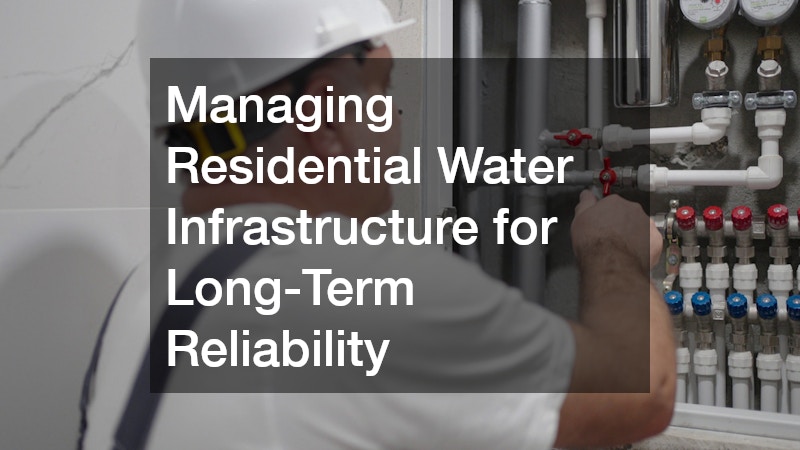
Water systems quietly support nearly every function in a home, from comfort and sanitation to structural stability and indoor health. When they work properly, they go unnoticed. When they fail, the consequences can be immediate and costly. Long-term reliability depends not on isolated fixes but on understanding how supply, heating, drainage, and protection systems interact over time.
Managing residential water infrastructure requires foresight, coordination, and a willingness to address vulnerabilities before they escalate. By treating water-related components as a connected network rather than separate services, homeowners can reduce emergencies, control maintenance costs, and protect both property and occupants for years to come.
Understanding Your Primary Water Sources and Capacity
Homes that rely on private water sources face a different set of responsibilities than those connected to municipal infrastructure. With water wells, performance is influenced by environmental conditions, mechanical components, and household behavior, all of which can shift gradually over time. Because these systems are self-managed, small declines in performance can persist unnoticed until they begin to affect daily routines.
Evaluating your water source should include:
- Testing flow rate and pressure under peak usage to understand how the system performs when multiple fixtures are running at the same time. This helps reveal whether pressure drops occur during high-demand periods such as mornings or heavy appliance use.
- Monitoring seasonal changes that affect availability, including variations tied to rainfall, drought, or freezing conditions. Tracking these patterns over time provides insight into whether supply fluctuations are temporary or part of a larger trend.
- Assessing the age and condition of pumps and pressure tanks, since mechanical wear often develops gradually. Aging components may cycle inefficiently, struggle to maintain pressure, or consume more energy than necessary.
- Understanding how usage patterns may change over time as households add fixtures, expand living space, or increase outdoor water use. Anticipating future demand reduces the risk of exceeding system capacity unexpectedly.
Capacity planning is especially important when upgrades or lifestyle changes increase demand. Even a dependable system can become strained if expectations evolve without corresponding adjustments. Long-term reliability improves when homeowners periodically reassess supply performance instead of assuming that current conditions will remain stable indefinitely.
Coordinating Heating Systems With Water Demand
Hot water and space heating systems interact with nearly every part of a home’s plumbing, making coordination essential when planning boiler installation or a hot water heater installation. These systems must respond not only to average demand, but also to peak usage periods when multiple fixtures and heating zones are operating at once. Design decisions made at this stage directly affect comfort, efficiency, and service life.
Key considerations include:
- Matching system output to household usage rather than square footage alone. Occupancy levels, bathing habits, appliance efficiency, and fixture flow rates all influence real demand more than home size by itself.
- Accounting for simultaneous demand from bathrooms, kitchens, and laundry, especially during morning and evening peaks. Systems should be evaluated under worst-case scenarios to avoid temperature drops or pressure instability.
- Ensuring adequate pressure for consistent performance across all outlets. Inadequate pressure can lead to uneven heating, delayed hot water delivery, and increased strain on pumps and valves.
- Planning venting, drainage, and access before installation so that maintenance, inspections, and future repairs can be performed without disruption. Poor access often leads to deferred service and shortened system lifespan.
Poor coordination can result in fluctuating temperatures, excessive wear, or premature failure. Systems that are oversized may short-cycle, leading to inefficiency and component fatigue, while undersized systems are forced to operate continuously under stress. Reliability improves when heating upgrades are planned in context with existing plumbing conditions, realistic usage patterns, and long-term household needs rather than short-term convenience.
Establishing Professional Oversight for Plumbing Systems
Even well-designed systems depend on proper installation and ongoing evaluation. A licensed plumber provides more than basic repairs; they assess how individual components function as part of a larger system and how small deficiencies can compound over time. Their perspective helps uncover issues that may not yet be causing visible damage but still compromise reliability.
Professional oversight typically includes:
- Inspecting pipe materials for corrosion or incompatibility, particularly where older sections connect to newer materials. Early detection of material fatigue or chemical reactions helps prevent sudden failures.
- Evaluating connection points for slow leaks or pressure loss that may go unnoticed behind walls or below fixtures. Minor seepage can gradually weaken structural materials and promote deterioration.
- Confirming proper venting and drainage paths to ensure systems operate safely and efficiently. Inadequate venting can cause pressure imbalances, while poor drainage accelerates wear and increases contamination risk.
- Identifying outdated components nearing the end of service life allows replacements to be scheduled strategically rather than during emergencies. This foresight reduces downtime and avoids rushed decisions.
Relying solely on reactive fixes often means addressing symptoms rather than causes. Regular professional evaluations allow homeowners to plan upgrades before failures occur, reducing emergency calls and unplanned expenses. Documentation from inspections also becomes a valuable reference when future work is required, supporting continuity and informed decision-making across projects.
Managing Surface Water Before It Reaches the Home
Important planning factors include:
- Grading that directs water away from the structure, ensuring that soil slopes consistently channel runoff toward safe discharge points rather than allowing it to pool near foundations.
- Proper placement of swales, drains, and discharge points so that collected water is moved efficiently without causing erosion, saturation, or backflow during heavy rainfall.
- Soil conditions that affect absorption and runoff, since clay-heavy soils shed water differently than sandy or loamy soils, and may require supplemental drainage solutions.
- Integration with existing landscaping and hardscape to prevent conflicts between drainage features and patios, walkways, planting beds, or retaining walls.
Surface water solutions work best when designed as part of a larger system rather than isolated fixes. Redirecting water in one area without considering downstream effects can unintentionally shift problems elsewhere, such as concentrating runoff near neighboring structures or overwhelming existing drainage paths.
Effective drainage planning reduces pressure on interior systems and minimizes moisture exposure before it becomes a structural concern, preserving both the integrity of the building and the surrounding landscape over time.
Protecting Lower Levels From Water Intrusion
Basements and crawlspaces are particularly vulnerable to water infiltration because they sit below grade. Sump systems serve as a critical defense, but their reliability depends on maintenance, capacity, and coordination with exterior drainage. Timely sump pump repair prevents minor issues from becoming major failures by addressing wear, obstructions, or electrical problems before they compromise performance.
Homeowners should pay attention to:
- Pump capacity relative to expected water volume, especially during heavy rainfall or rapid snowmelt, when inflow can exceed normal operating conditions.
- Backup power options during outages, since storms that cause power loss often coincide with the highest water levels and the greatest need for active pumping.
- Discharge routing away from the foundation to prevent discharged water from cycling back toward the structure and overloading the system.
- Warning signs such as unusual noise or frequent cycling, which can indicate mechanical strain, partial blockages, or failing components.
Ignoring early indicators often leads to pump failure during peak conditions, precisely when protection is most needed. Routine testing, including activating the pump manually and inspecting float switches, helps ensure that systems respond as designed.
A reliable sump system reduces the likelihood of standing water, mold growth, and structural deterioration in lower levels, supporting healthier indoor conditions and preserving the integrity of the home over time.
Addressing Moisture Issues Before Health Risks Develop
Effective remediation planning includes:
- Identifying and correcting the moisture source so that cleanup efforts are not undermined by continued water intrusion or elevated humidity levels.
- Containing affected areas during cleanup to prevent spores and particulate matter from spreading to unaffected spaces through air movement or foot traffic.
- Removing compromised materials when necessary, including drywall, insulation, or flooring that cannot be effectively cleaned or dried.
- Verifying conditions after remediation is complete through moisture readings or visual inspection to confirm that the environment no longer supports regrowth.
Treating visible growth without resolving underlying moisture guarantees recurrence, often in hidden cavities where detection is delayed. Successful outcomes depend on pairing remediation with corrective repairs to plumbing, drainage, or ventilation systems that address the root cause.
Addressing moisture early protects both structural components and the health of occupants, particularly those with sensitivities or respiratory concerns, while also reducing the likelihood of repeated disruption and escalating repair costs.
Preparing for Unexpected Water Emergencies

Despite proactive planning, unexpected events can still occur. Burst pipes, appliance failures, and severe weather can overwhelm even well-maintained systems. Knowing how water restoration and water damage restoration processes work allows homeowners to respond quickly and effectively, limiting disruption and reducing long-term repair costs.
Preparation steps include:
- Knowing where shutoff valves are located so water flow can be stopped immediately, minimizing the volume of water released into walls, floors, or cabinetry.
- Having emergency contact information readily available for restoration professionals, insurers, and utility providers can help avoid delays during high-stress situations.
- Understanding insurance documentation requirements, including photo evidence, timelines, and coverage limitations, helps streamline claims and reduce disputes.
- Acting quickly to limit secondary damage by removing standing water, increasing ventilation, and isolating affected areas until professional help arrives.
Delays in response often lead to expanded damage, including compromised materials, warped structural components, and microbial growth that increases remediation complexity. Restoration is most effective when drying, cleanup, and repairs begin as soon as conditions allow, before moisture migrates into hidden cavities.
Preparedness reduces stress and shortens recovery time when emergencies arise, allowing homeowners to regain safe, functional living conditions with fewer complications.
Integrating Maintenance Across Water-Related Systems
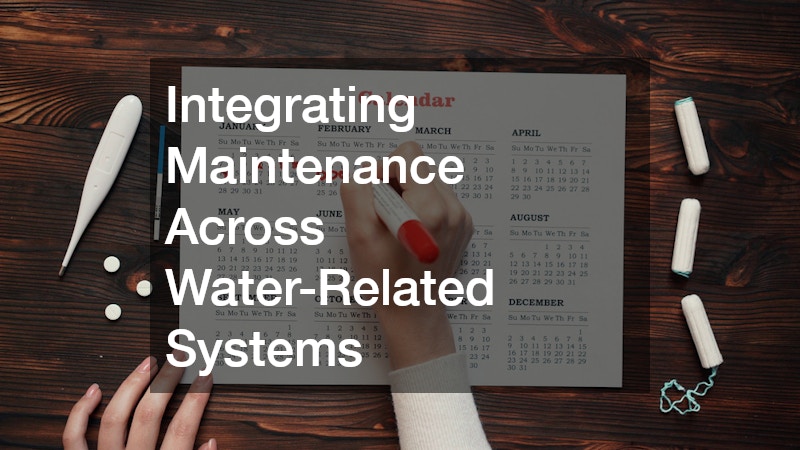
Long-term reliability depends on consistency. Water systems age at different rates, but their performance is interconnected. Coordinated maintenance planning helps homeowners anticipate needs rather than react to failures, reducing stress and extending the service life of critical components.
Best practices include:
- Creating a maintenance calendar for inspections and servicing so routine checks are not overlooked during busy periods or seasonal transitions.
- Tracking installation dates, warranties, and service records to understand when components are approaching the end of their expected lifespan and to support warranty claims if issues arise.
- Aligning maintenance tasks to reduce access disruption, such as inspecting multiple systems during the same service visit or coordinating interior and exterior work efficiently.
- Budgeting for phased upgrades before systems fail, allowing homeowners to prioritize replacements based on risk and impact rather than urgency.
When maintenance is planned systematically, homeowners gain clearer insight into future costs and avoid the cycle of emergency repairs that often carry higher expenses and greater inconvenience. This approach also supports better decision-making when upgrades become necessary, ensuring changes are deliberate, well-timed, and aligned with long-term reliability goals.
Managing residential water infrastructure for long-term reliability requires more than isolated repairs or upgrades. It demands an integrated approach that considers supply, heating, drainage, protection, and emergency response as parts of a single system. Each component influences the others, and weaknesses in one area often place added strain elsewhere. When planning is fragmented, improvements may solve short-term problems while creating new vulnerabilities that surface later.
A system-wide perspective encourages homeowners to evaluate how water enters the property, how it is heated and distributed, how excess moisture is controlled, and how failures are handled when they occur. Decisions made during upgrades or repairs should account for future needs, evolving household usage, and the natural aging of materials. This approach reduces redundancy, improves efficiency, and supports smoother coordination when work spans multiple areas of the home.
When homeowners plan proactively, coordinate improvements, and maintain systems consistently, they shift from reactive problem-solving to deliberate stewardship. This mindset protects not only the physical structure of the property but also the health, comfort, and security of everyone inside. Over time, integrated planning results in fewer disruptions, more predictable costs, and greater confidence that essential systems will perform reliably under both normal and challenging conditions.